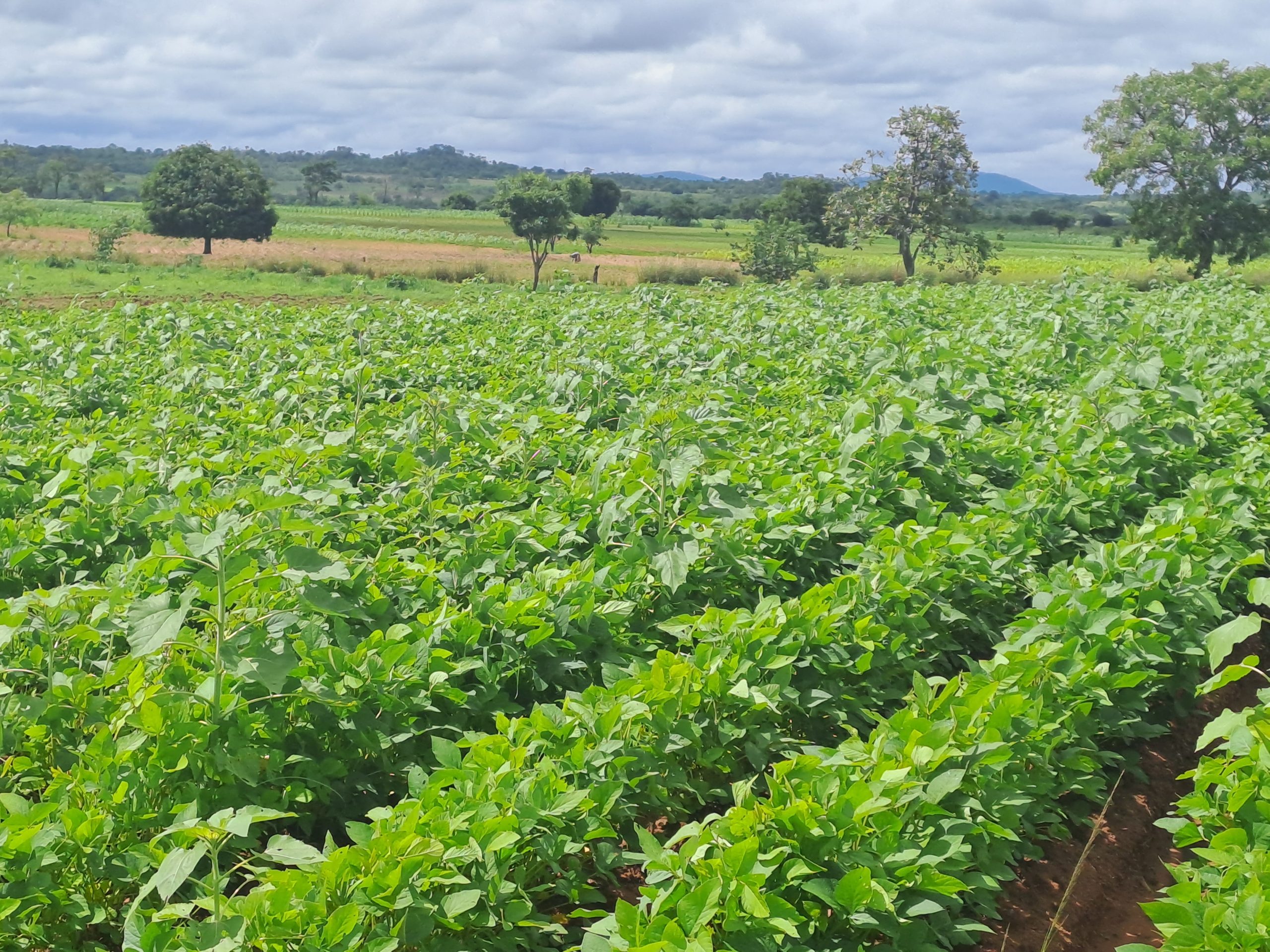
In response to food and fertilizer price spikes in 2022 linked to the COVID-19 pandemic and exacerbated by Russia's invasion of Ukraine, the U.S. Government (USG) deployed $70 million in emergency funding to jump-start the productivity and resilience of the agricultural sector, with the dual goals of improving food availability and affordability in areas facing high rates of hunger and malnutrition. The urgency of this investment only grew as El Niño-driven drought and heat swept through the 2023 and 2024 growing seasons.
The investment focused on two key agricultural zones: (1) mixed maize-based production zones in Malawi, Tanzania, and Zambia in Southern Africa; and (2) highland cropping and livestock production areas in the Great Lakes region of Burundi, Rwanda, and eastern DRC. The goal was to rapidly expand the uptake of existing innovations — such as improved and drought-tolerant seeds and agronomic practices — that would increase crop yields, production, and profitability in ways that benefited low-income producers. The program was executed in a precedented way, modeled in part after the Government of Mexico’s MasAgro investment.
In each zone, the investment was built upon many years of research aimed at integrating component technologies and improved natural resource management (e.g. soil fertility, water) to enable market-led and sustainable gains in productivity that increased incomes, reduced malnutrition and promoted diversification of mixed crop-livestock systems. In the mixed-maize based systems, the Australian-funded Sustainable Intensification of Maize-Legume Cropping Systems and USAID-supported Africa RISING (Research in Sustainable Intensification for the Next Generation) and related efforts had demonstrated over time suites of technologies and interventions (e.g. crop rotations, small-scale irrigation) with proven attractiveness to farmers. Similarly, in the Great Lakes highland region, the Belgian-funded Consortium for Improving Agriculture-based Livelihoods in Central Africa (CIALCA) invested in root, tuber, banana and legume-based systems aimed at increasing productivity.
Download the report to learn more.


1763 Columbia Rd NW
Suite 175
Washington, DC 20009-2891